
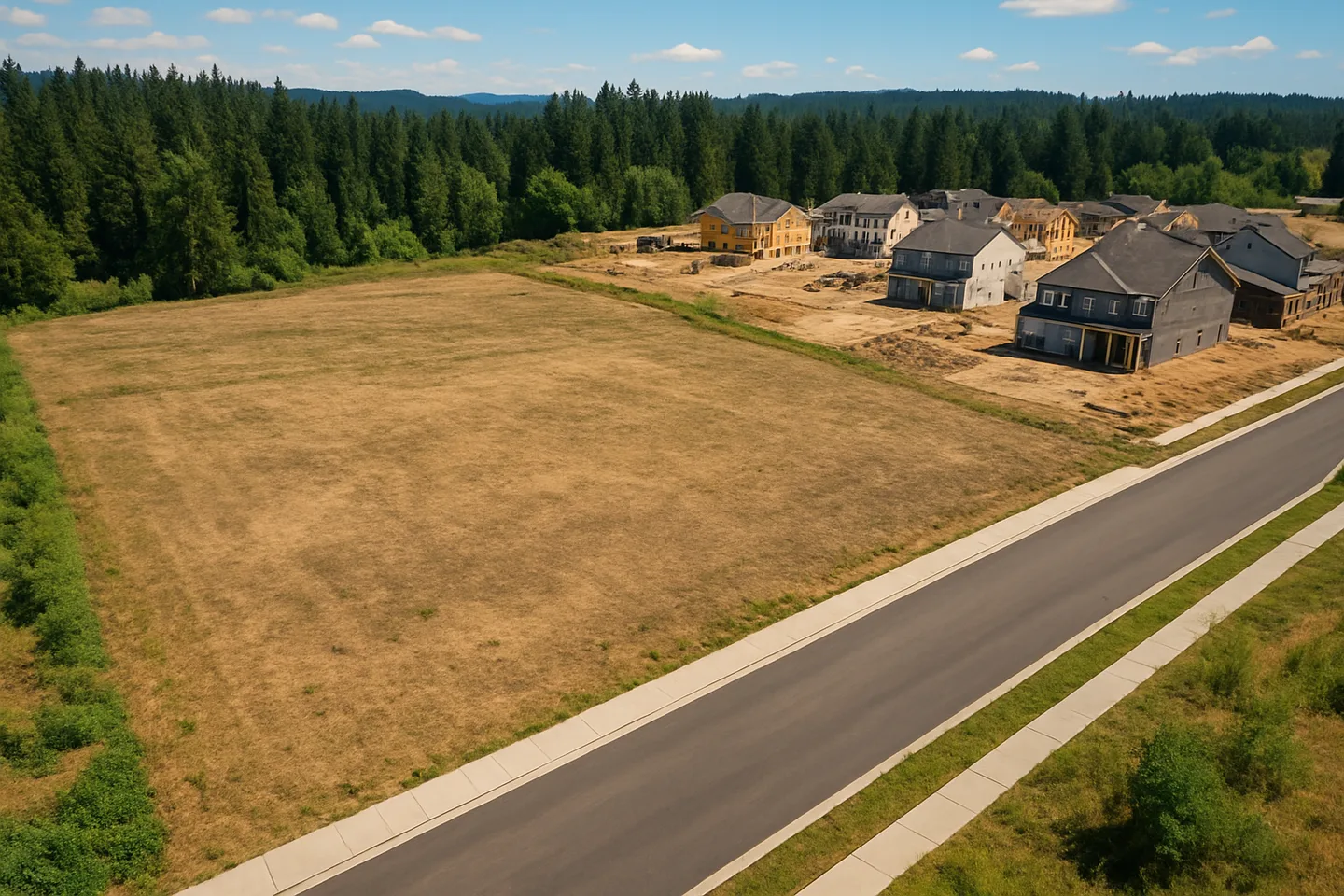
How to Sell Land To A Developer Fast in Tennessee
What You Need to Know About Selling Land To A Developer in Tennessee
If you own undeveloped property in Tennessee and want to sell your land to developers, understanding the process can help you secure a fair deal. A developer evaluates parcels based on zoning, road access, utility connections, topography, and proximity to growing population centers. Before you sell your land, gather key documents including your deed, a recent survey, and any existing permit records. Tennessee municipalities control zoning within their boundaries, while county regional planning commissions handle zoning in unincorporated areas. Getting familiar with your local zoning classification gives you an advantage when a developer approaches you about your property.
Real Estate in TN: Background and Context
Tennessee's real estate landscape has shifted dramatically over the past decade, creating strong opportunities for landowners looking to sell. The Nashville metro alone added over 100 people per day between 2020 and 2024, according to U.S. Census Bureau data. That population boom has driven demand for developable land near growing cities like Murfreesboro, Chattanooga, and Knoxville. As a landowner, selling to a developer in this kind of market can command a higher price than a traditional sale to an individual buyer.
Understanding market trends is essential to the selling process. A real estate agent familiar with land acquisition in your zone can help you assess the value. Developers and land buyers often track similar properties in your area to determine what they are willing to pay. Listing your property online through commercial land platforms can attract attention from developers who are actively searching for parcels that fit their next project. The sale of your property depends on how well you understand what makes your parcel attractive for land development.
Several deal structures exist beyond a simple cash purchase. Joint ventures allow a landowner to retain partial ownership while a developer handles construction. Option agreements let a developer lock in a purchase price while they pursue zoning or financing. Promotional agreements tie the final sale price to whatever the developer achieves through the entitlement process. Each structure has different implications for your property value and timeline, so understanding your options before entering a negotiation matters. A straightforward land sale remains the most common path, but knowing alternatives helps you negotiate from a stronger position during the sales process. Whether you own vacant land near a highway corridor or a rural parcel outside city limits, the right approach depends on your goals and your property's zone classification.
Step-by-Step: How to Sell Land To A Developer in Tennessee
Step 1: Know your land's value and zoning status. Before you sell land to a developer, research your parcel's current zoning classification by contacting your county or municipal planning office. Confirm whether the property is zoned residential, commercial, or agricultural. A developer evaluating raw land will want to know this immediately, and having answers ready positions you as a prepared seller. Get a professional appraisal to establish your land value based on comparable sales in the area.
Step 2: Prepare documentation that developers need. Developers are skilled at evaluating parcels quickly, but they need key information. Gather your title documents, boundary survey, soil reports if available, and any environmental assessments. Property owners who provide these upfront often move faster through the purchase process. According to the National Association of Home Builders, the standard due diligence period for developer land purchases is 30-90 days, so having documents ready can shorten that timeline.
Step 3: Market your property to the right audience. Sell land effectively by targeting developers who build the type of project your parcel supports. If your property sits near residential growth corridors, reach out to homebuilders. For commercial property near highways or retail centers, contact commercial developers directly. Local authorities at the planning commission can sometimes point you toward developers who have recently submitted applications in your area.
Step 4: Evaluate offers carefully. Developers often make initial offers 20-40% below asking price and expect negotiation, according to CCIM Institute industry data. Review the purchase price, contingencies, due diligence timeline, and earnest money deposit. Having a recent appraisal strengthens your position. When you sell land to a developer, the land's value is influenced by what they plan to build, not just what comparable parcels have sold for.
Common Complications When Selling Land To A Developer in TN
Extended due diligence periods. A buyer conducting due diligence on undeveloped land needs time to investigate environmental conditions, soil quality, and utility access. Some developers request 90 days or longer. During this window, the buyer can walk away if conditions are not met, and your property sits off the market. Protect yourself by negotiating a non-refundable earnest money deposit and setting a firm due diligence deadline in the transaction documents.
Zoning and rezoning delays. If a buyer needs to rezone your property, the transaction timeline can stretch significantly. Rezoning applications in Tennessee typically take 60-120 days and require public hearings under Tennessee Code 13-7-201. A real estate professional experienced with land transactions can help you understand whether a potential buyer's rezoning plan is realistic. Listing your property with clear zoning information upfront helps filter out buyers whose plans do not match what local authorities will approve.
Market conditions and timing. The real estate market in Tennessee varies by region. Land near Nashville commands premium attention from potential buyers, while rural parcels may take longer to sell. Understanding the market value of your specific parcel helps set realistic expectations. Have the value of your land established by a qualified appraiser before entering any listing agreement. Environmental concerns can also complicate a transaction. A Phase 1 environmental assessment may be required for certain potential land uses, and wetlands or flood zone designations on a vacant lot can limit what a buyer can build.
Common Questions About Selling Land To A Developer in Tennessee
How much will a developer pay for land?
The price a real estate developer pays depends on the parcel's location, zoning, size, and what they plan to build. Land developers in a hot real estate market like Nashville may pay above appraised value for well-positioned parcels. In rural areas, offers may be closer to agricultural value. A seller should always get an independent appraisal before entering the process of selling land to establish a baseline. The developer's offer will reflect their projected profit from the finished project, not just current comparable sales.
How to avoid paying capital gains when selling land?
A seller who has owned the property for more than one year pays long-term capital gains rates, which are lower than short-term rates. Tennessee does not impose a state income tax on capital gains, but federal taxes still apply. A 1031 exchange allows a seller to defer capital gains by reinvesting proceeds into a like-kind property within specific timelines. The process of selling development land through a 1031 exchange requires working with a qualified intermediary. Consult a tax professional to understand how property taxes and capital gains interact in your specific situation. An agreement with the buyer should account for any exchange timeline requirements.
Can You Sell Land to a Developer Without a Solicitor?
In Tennessee, real estate attorneys handle closings rather than solicitors or estate agents. While a seller is not legally required to hire an attorney, land selling to developers involves complex contracts that benefit from legal review. Title insurance through the Tennessee Land Title Association protects both parties. A seller working without professional guidance risks accepting unfavorable contingencies or missing important contract terms.
Your Options for Selling Land To A Developer in TN
Selling your property to a developer in Tennessee starts with preparation. Get a current survey of your parcel boundaries, understand your zoning classification, and gather documentation that shows the development potential. Working with a planning consultant who understands local regulations can help you present your property in the best light. A consultant familiar with properties in your area knows what developers are looking for and can help position your parcel accordingly.
Whether you own acreage near a growing Tennessee city or a rural parcel in areas like Weakley County, understanding the process puts you in control. If you are ready to explore your options, reach out to our team. We can walk you through the process and help you move forward in as little as 2 weeks.
Need to sell your Tennessee land? We buy land directly from owners for cash, with no fees, no commissions, and we close in as little as 2 weeks.
Loading form...
Sell Your Tennessee Land for Cash
Ready to sell? We buy land directly from owners across Tennessee. Get a fast, no-obligation cash offer.