
Guide to Selling Land Without A Realtor in Tennessee (2026)
Selling Vacant Land Without a Realtor in Tennessee
Selling vacant land without a realtor in Tennessee is a viable path for landowners who want to keep more of their sale proceeds. Agent commissions on vacant land typically run 5-6% of the sale price, and many agents are reluctant to take on land listings because the sales cycle is longer and the commission smaller than residential deals. If you are willing to handle the marketing and paperwork yourself, this guide walks you through the process step by step.
Why Selling Vacant Land Is Different From Selling a Home
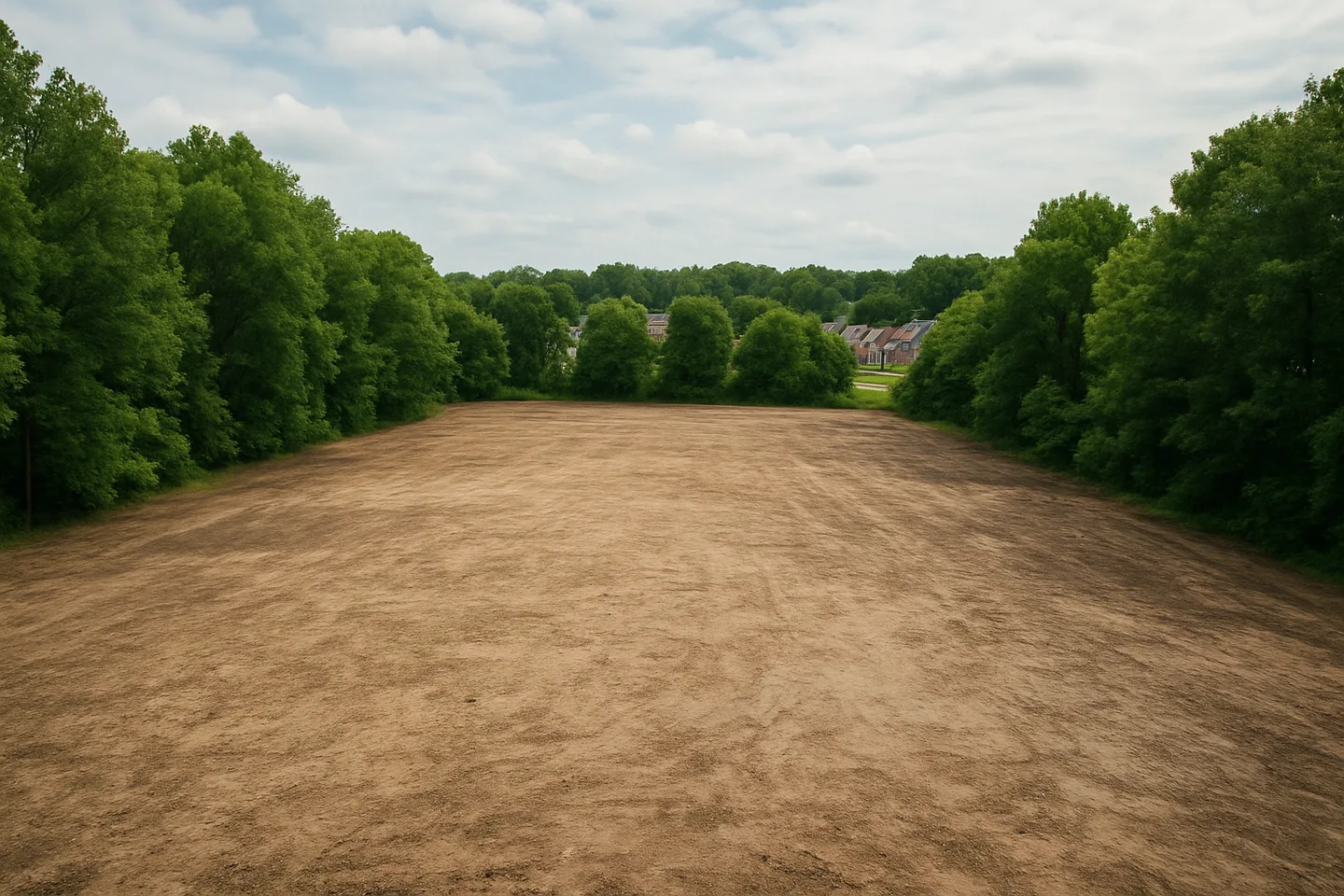
Vacant land makes up only about 2% of all real estate transactions. Unlike homes, vacant land has no curb appeal, no kitchen to stage, and no rooms for buyers to walk through. Potential buyers cannot visit an open house or picture themselves living there. This means your marketing has to work harder. Most land buyers start their search online, which is why high-quality listing photos, drone aerial shots, and detailed property descriptions are essential for attracting serious inquiries.
Financing is another challenge. Banks are more cautious about lending on raw land because there is no structure to serve as collateral. Many vacant land buyers pay cash or use straightforward sale, which narrows the pool of potential buyers compared to residential real estate. This is one reason vacant land typically takes 6 to 12 months to sell on the open market, and FSBO listings often take even longer without the marketing reach of a real estate agent.
Tennessee's disclosure requirements for vacant land are more relaxed than for homes. While residential sellers must complete a property condition disclosure form under Tennessee Code 66-5-201, there is no mandatory disclosure form for vacant land. However, you should still disclose known material issues such as easements, boundary disputes, flood zone status, environmental contamination, and drainage problems. Failing to disclose known defects can expose you to legal liability even in a caveat emptor state.
How to Market Your Vacant Land Without an Agent

The most important step is listing your property on the right platforms. LandWatch receives over 10 million visits per month from land buyers and is one of the most effective places to list. Lands of America, Land.com, Zillow, Craigslist, and Facebook Marketplace are also valuable channels. List on as many platforms as possible to maximize visibility.
Professional drone photography makes a significant difference for vacant land listings. Aerial photos help buyers visualize the property boundaries, terrain, access roads, and surrounding landscape in ways that ground-level photos cannot. If you cannot fly a drone yourself, local photographers typically charge $100 to $300 for aerial land photography.
Include all relevant property data in your listing: acreage, county, zoning classification, road access type, utility availability, soil survey data, flood zone status, and nearby towns. Including a plat map and zoning information helps attract serious buyers and filters out tire-kickers. The more information you provide upfront, the fewer unqualified inquiries you will receive.
Closing the Sale Without an Agent in Tennessee

Once you find a buyer, you need a purchase agreement that includes the legal property description, sale price, earnest money amount, closing date, and any contingencies. Tennessee does not require a specific state form for land sales, but using a standard real estate contract is recommended. A real estate attorney can draft or review a purchase agreement for a flat fee of $200 to $500.
Work with a title company to handle the title search, deed preparation, and closing. The title company verifies there are no liens, unpaid property taxes, or ownership disputes on the property. At closing, you will sign a warranty deed that transfers ownership to the buyer. Tennessee charges a transfer tax of $0.37 per $100 of the sale price, paid when the deed is recorded with the county register of deeds.
When to Consider a Cash Buyer Instead
If your vacant land has been on the market for months without a serious offer, selling to a cash land buyer may be the better option. Cash buyers like Sell Tennessee Land purchase vacant land as-is, handle all closing costs, and can close in as little as two weeks. You avoid the listing process, the marketing costs, and the uncertainty of waiting for a buyer who may never come. The trade-off is a lower sale price compared to retail market value, but many sellers prefer the speed and certainty over months of waiting.
Frequently Asked Questions
How long does it take to sell vacant land in Tennessee?
Vacant land FSBO listings in Tennessee typically take 6 to 12 months to sell, depending on location, pricing, and demand. Rural parcels in less populated counties can take longer. Properties with good road access and utility connections near growing areas sell fastest.
Do I need to disclose anything when selling vacant land?
Tennessee does not require a formal disclosure form for vacant land sales. However, you should disclose known material issues including easements, boundary disputes, flood zone status, and environmental problems. Honest disclosure protects you from potential legal claims after the sale.
Ready to Sell Your Vacant Land?
Selling vacant land without a realtor in Tennessee takes more effort than selling a home, but the commission savings can be significant. If you prefer a faster, easier route, Sell Tennessee Land offers no-obligation cash offers on vacant land across all 95 counties. Contact us today to find out what your property is worth.
Need to sell your Tennessee land? We buy land directly from owners for cash, with no fees, no commissions, and we close in as little as 2 weeks.
Loading form...
Sell Your Tennessee Land for Cash
Ready to sell? We buy land directly from owners across Tennessee. Get a fast, no-obligation cash offer.