
How to Sell Land To A Developer Fast in Tennessee
Selling Land to a Developer in Tennessee: What You Need to Know
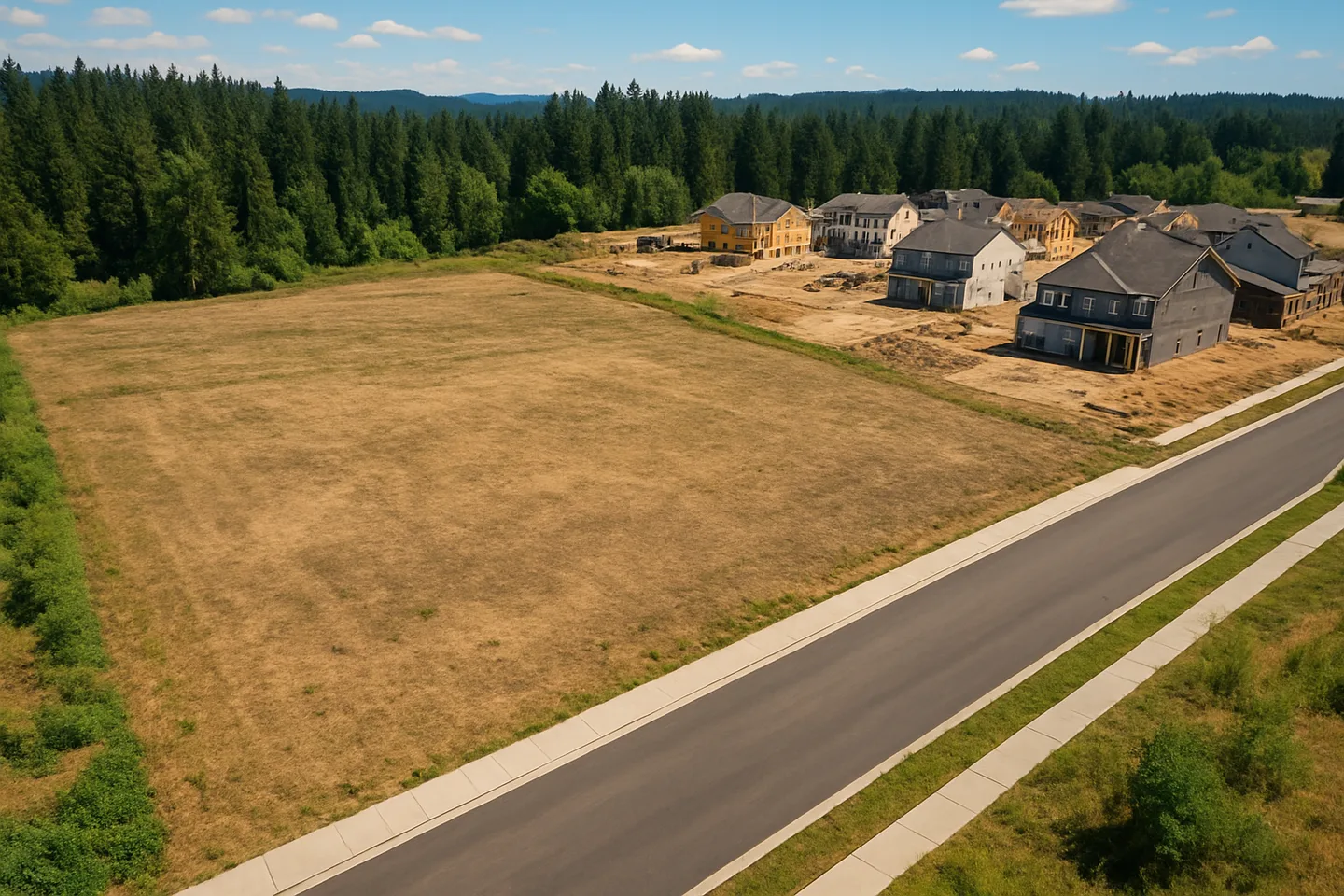
If you own land in a growing area of Tennessee, selling to a developer could get you a premium price for your property. Developers are actively seeking buildable land near Nashville, Knoxville, Chattanooga, Memphis, and other expanding metro areas. However, selling to a developer is different from a typical land sale. This guide explains how developers evaluate land, what to expect during negotiations, and how to protect yourself throughout the process.
How Developers Evaluate Land for Purchase
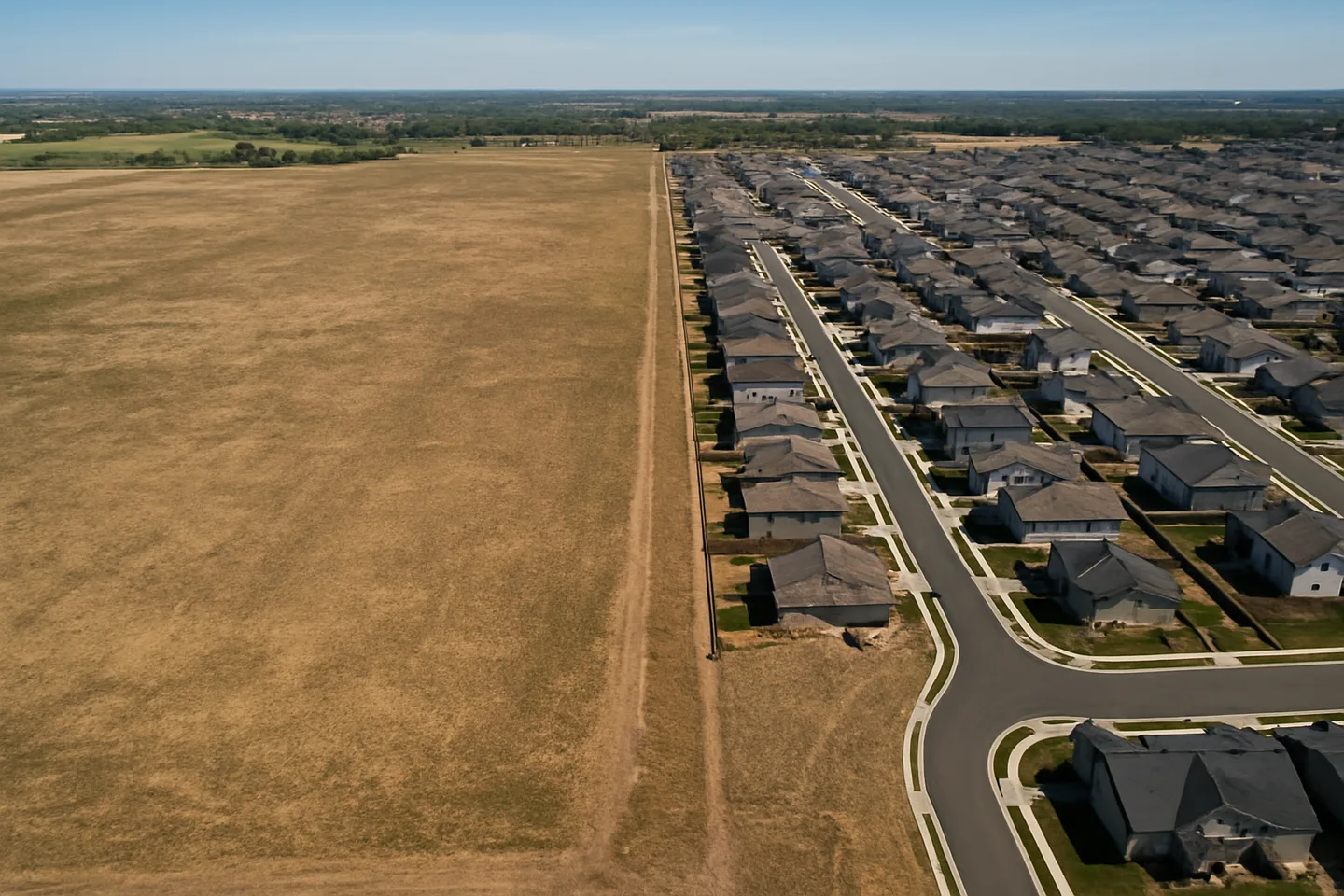
Developers do not buy land based on emotion. They run numbers. Every developer evaluates a parcel based on six key factors: zoning and entitlements, access to roads and utilities, topography and soil conditions, environmental restrictions such as wetlands or flood zones, proximity to population centers, and comparable land sales in the surrounding area. If the numbers work for their project, they make an offer. If not, they move on.
Zoning is usually the single most important factor. A developer building a residential subdivision needs land zoned for residential use or land that can be rezoned. Tennessee municipalities control zoning within their boundaries, while county regional planning commissions oversee zoning in unincorporated areas. Rezoning applications typically take 60 to 120 days and require public hearings, so many developers prefer parcels that are already zoned correctly.
Land near growing Tennessee cities commands premium prices. The Nashville metro added over 100 people per day between 2020 and 2024, driving strong demand for developable land in Davidson, Williamson, Rutherford, and surrounding counties. Knoxville, Chattanooga, and Clarksville are also seeing significant growth that pushes developers further into surrounding rural counties. If your property sits in the path of development, you may have more leverage than you think.
Negotiating With a Developer
Developers typically make initial offers 20 to 40% below the seller's asking price and expect negotiation. This is standard practice, not a lowball tactic. Developers build in margins for infrastructure costs, permitting delays, and market risk that individual buyers do not face. Knowing this helps you negotiate from a position of strength rather than feeling insulted by a first offer.
Before entering negotiations, get a recent appraisal of your land. Having a professional valuation backed by comparable sales data gives you a defensible number to anchor the conversation. A soil test and preliminary zoning confirmation also strengthen your position because they eliminate unknowns that developers would otherwise use to justify a lower offer. The less risk a developer sees, the more they are willing to pay.
Watch out for option contracts. Some developers tie up land with option agreements for months while they seek financing, zoning approval, or investor commitments. If conditions are not met, they walk away, and you have lost valuable marketing time. Always request proof of funds or a pre-approval letter before entering a purchase agreement. Set clear deadlines for the due diligence period, which typically runs 30 to 90 days for developer purchases.
What Happens During Due Diligence
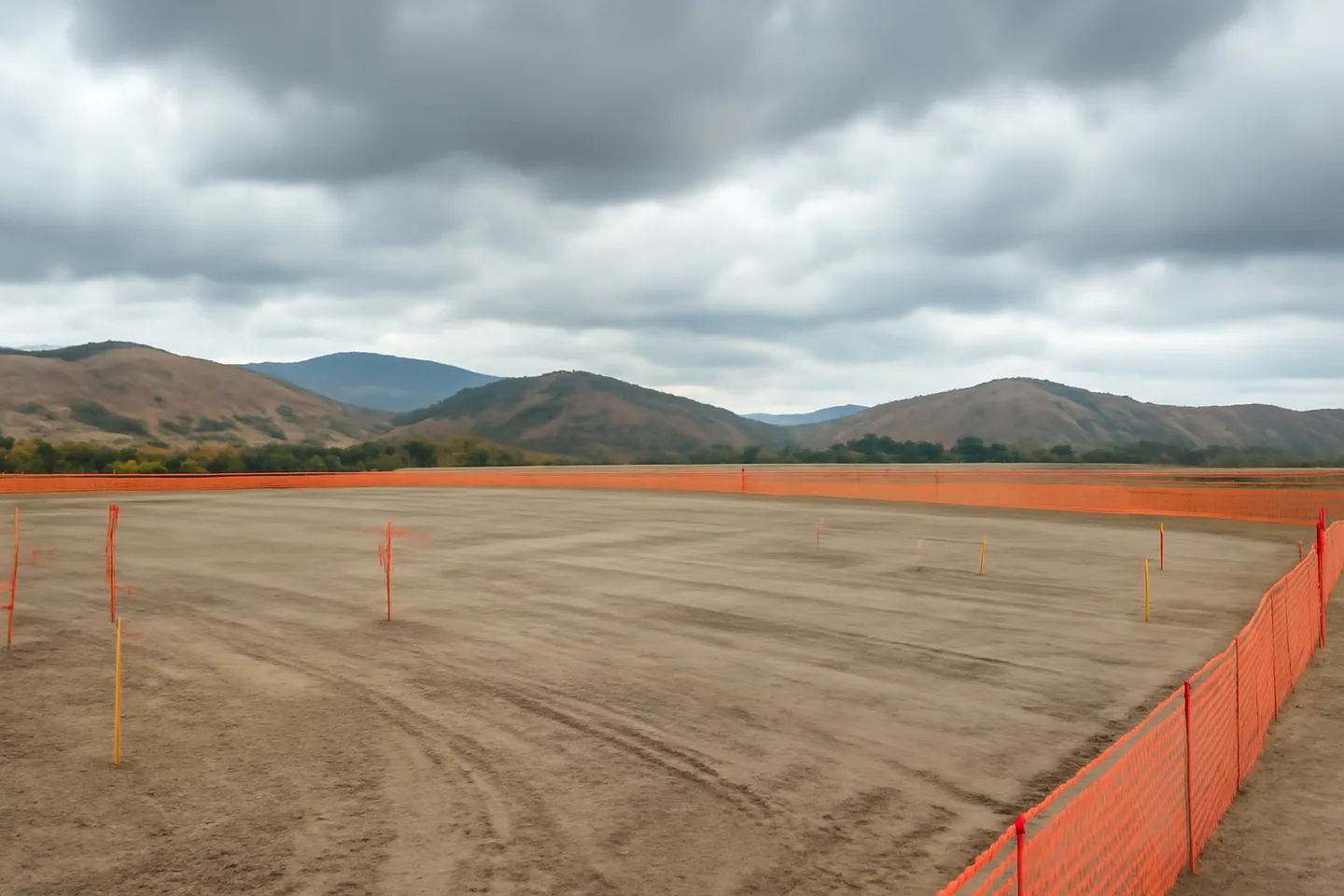
Once you and the developer agree on terms, the due diligence period begins. During this phase, the developer investigates everything about your property: zoning compliance, environmental conditions, soil testing for construction suitability, utility access, title history, and any easements or restrictions. Most developer contracts include a due diligence contingency that allows them to cancel the deal if they discover something unacceptable.
Tennessee subdivision regulations require developers creating five or more lots to submit plat maps to the local planning commission for approval. The developer typically handles this process, but you should understand that it can add weeks or months to the timeline. If the developer plans a large project, expect the closing to take longer than a simple land sale between individuals.
Frequently Asked Questions
How do I find developers interested in my land?
Research recent development projects in your area and contact those developers directly. Attend local planning commission meetings to see who is pulling permits. You can also list your property with a commercial real estate agent who has developer connections, or sell directly to a land buying company like Sell Tennessee Land.
Should I rezone my land before selling to a developer?
In most cases, no. Rezoning is expensive and time-consuming, and the developer usually prefers to handle it themselves because they know exactly what classification they need. However, having preliminary conversations with the local planning office about rezoning feasibility can make your property more attractive to buyers.
Ready to Sell Your Tennessee Land?
Whether you are negotiating with a developer or simply want to sell your land quickly, Sell Tennessee Land offers no-obligation cash offers on vacant land across all 95 Tennessee counties. We close in as little as two weeks with no commissions and no closing costs. Contact us today to find out what your property is worth.
Need to sell your Tennessee land? We buy land directly from owners for cash, with no fees, no commissions, and we close in as little as 2 weeks.
Loading form...
Sell Your Tennessee Land for Cash
Ready to sell? We buy land directly from owners across Tennessee. Get a fast, no-obligation cash offer.