

Agreement | Sell A House in Tennessee
Legal Documents for Selling Land in Tennessee
Selling land in Tennessee requires specific legal documents to transfer ownership properly and protect both the buyer and seller. Whether you are selling through an agent or handling the transaction yourself, understanding which documents are needed helps avoid delays, legal disputes, and costly mistakes at closing. This guide covers every document you need to sell land in Tennessee, from the purchase agreement to the recorded deed.
The Purchase Agreement
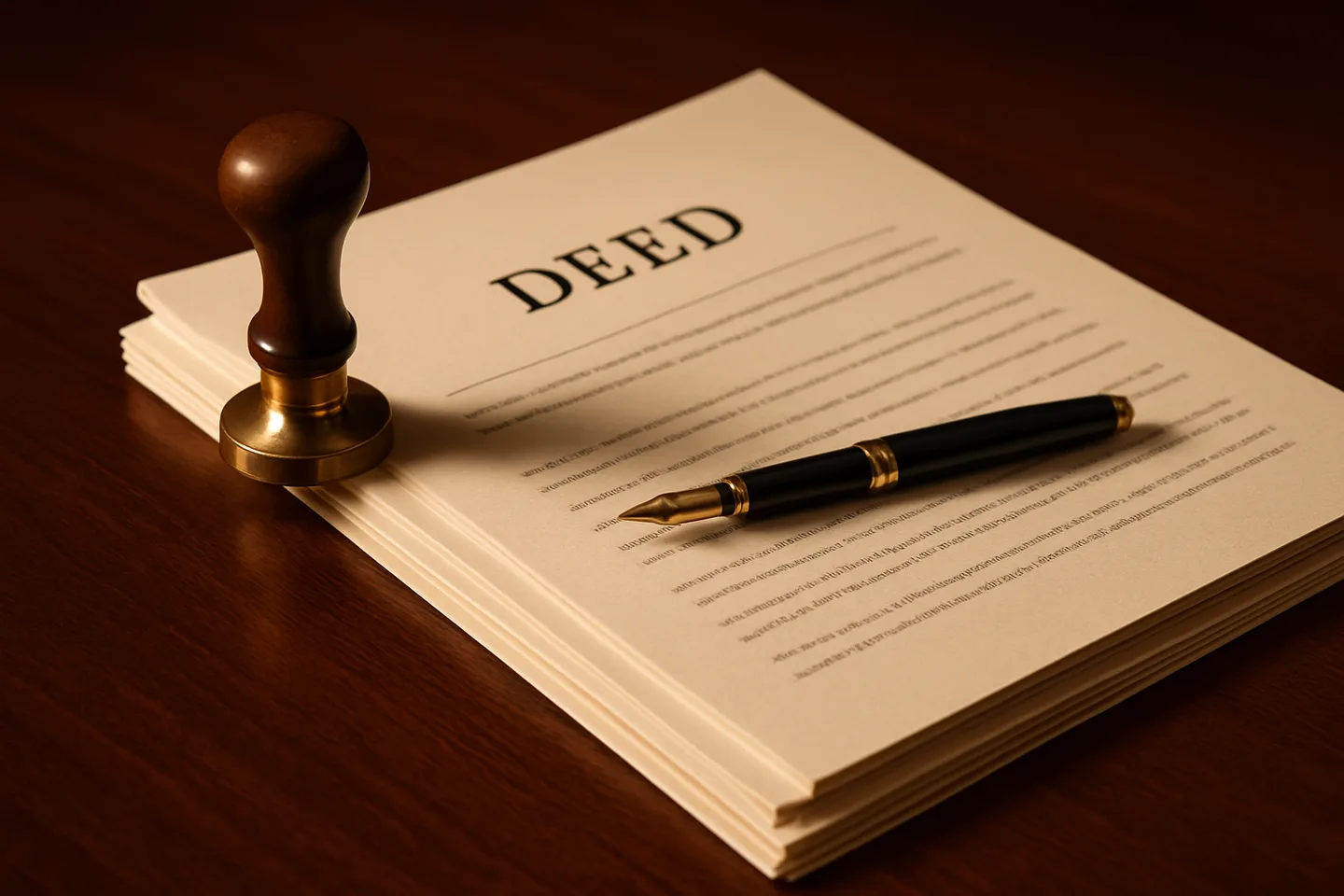
The purchase agreement is the foundation of your land sale. This legally binding contract outlines every term of the transaction including the sale price, legal description of the property, earnest money amount, closing date, contingencies, and the responsibilities of both buyer and seller. While Tennessee does not require a specific state-approved form for land sales, using a thorough real estate purchase agreement protects both parties.
Key elements your purchase agreement should include: the full legal description of the property (not just the address), the total purchase price and how the buyer will pay, the earnest money deposit amount and who holds it, the closing date and location, any contingencies such as title clearance or financing, what happens if either party defaults, and which party pays closing costs including the transfer tax and recording fees.
You can draft a purchase agreement yourself using templates available online, but having a real estate attorney review it is recommended, especially for higher-value transactions. Tennessee attorneys typically charge $200 to $500 for contract review or drafting.
Deeds: Warranty, Special Warranty, and Quitclaim

The deed is the legal instrument that transfers ownership of the land from seller to buyer. Tennessee recognizes three main types of deeds. A warranty deed provides the strongest protection for the buyer because the seller guarantees clear title and agrees to defend against any future title claims. This is the most common deed type for standard land sales.
A special warranty deed guarantees clear title only during the period the seller owned the property. It does not cover title issues that may have existed before the seller took ownership. A quitclaim deed transfers whatever interest the seller has in the property with no guarantees whatsoever. Quitclaim deeds are common between family members or in divorce situations but are rarely accepted in arm's-length sales.
All deeds in Tennessee must include the grantor and grantee names, a complete legal description of the property, the consideration amount, the grantor's signature, and notarization. The legal description must be specific enough to identify the exact parcel -- acceptable forms include metes and bounds descriptions, recorded plat references with lot and block numbers, or government survey descriptions. The deed must be recorded with the county register of deeds to be effective against third parties.
Title Search and Title Insurance

A title search examines public records going back at least 30 years to verify clear chain of title, identify any liens, and confirm there are no encumbrances on the property. In Tennessee, a title search typically costs $150 to $300 and is performed by a title company or real estate attorney. Any issues discovered during the title search -- such as unpaid property taxes, mechanic's liens, or judgment liens -- must be resolved before closing.
Title insurance protects the buyer against undiscovered title defects that could surface after the sale. While not legally required in Tennessee, most buyers and their lenders insist on it. The cost is typically 0.5% to 1% of the sale price and is usually a one-time premium paid at closing.
Closing Documents and Recording
At closing, several additional documents come into play. The closing statement (also called a settlement statement) itemizes all costs, credits, and adjustments between buyer and seller. The seller signs the deed, which is notarized and then submitted to the county register of deeds for recording. Tennessee charges a real estate transfer tax of $0.37 per $100 of the sale price at the time of recording. Recording fees vary by county but are typically $10 to $25 for the first page plus $5 per additional page.
If there is a survey, it should be provided to the buyer before closing. While Tennessee does not require a new survey for every land sale, having a current survey prevents boundary disputes and confirms the acreage being conveyed matches what the buyer expects.
Frequently Asked Questions
Do I need a lawyer to sell land in Tennessee?
No. Tennessee does not legally require an attorney at closing for land transactions. However, a real estate attorney can draft or review your purchase agreement, resolve title issues, and ensure the deed is properly prepared. Most title companies can handle the closing process without a separate attorney.
What disclosures are required for vacant land in Tennessee?
Tennessee does not require a formal property condition disclosure form for vacant land sales. However, sellers should disclose known material defects including easements, environmental contamination, boundary disputes, and flood zone status to avoid potential legal liability after closing.
Sell Your Tennessee Land Without the Paperwork Hassle
If the paperwork and legal process feels overwhelming, Sell Tennessee Land handles everything for you. We prepare all documents, cover closing costs, and coordinate with a local title company so you do not have to manage any of it yourself. Contact us for a no-obligation cash offer on your Tennessee land and close in as little as two weeks.
Need to sell your Tennessee land? We buy land directly from owners for cash, with no fees, no commissions, and we close in as little as 2 weeks.
Loading form...
Sell Your Tennessee Land for Cash
Ready to sell? We buy land directly from owners across Tennessee. Get a fast, no-obligation cash offer.